
The Creative Process
In writing and baking - With bonus recipes!

I haven’t done much writing the last couple of weeks – my creativity has been directed towards baking instead. (My husband and son have birthdays a week apart – cue home-made cake two weeks running!) I’ve followed other writers here on Substack for a few years (Jo Gatford and Matt Kendrick being particular favourites). Recently, though, my attention has been seized by wonderful bakers: Nicola Lamb and Brian Levy have inspired me to experiment with complex cakes and vegan/gluten-free recipes respectively.
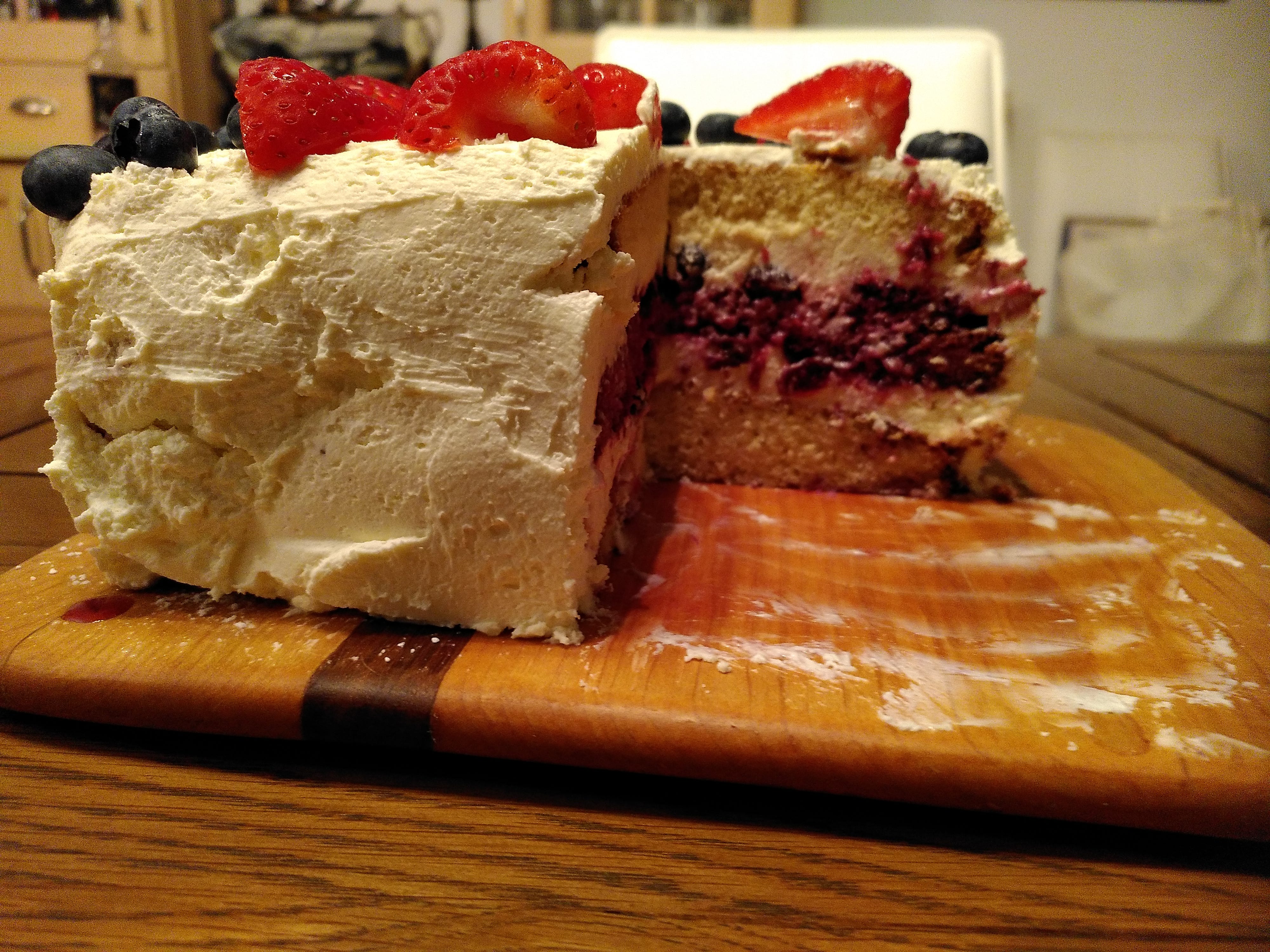
Photo of Nicola Lamb’s summer pudding cake
I found myself reflecting on similarities between these different expressions of the creative process:
A prompt
Often it starts with a prompt, or a situation that leads you to think ‘I could do something with that’. The new writing I’ve done this month has been in response to the weekly prompts provided by the magnificent team at WritersHQ.
In baking, the inspiration was a fully-laden apple tree in my garden.
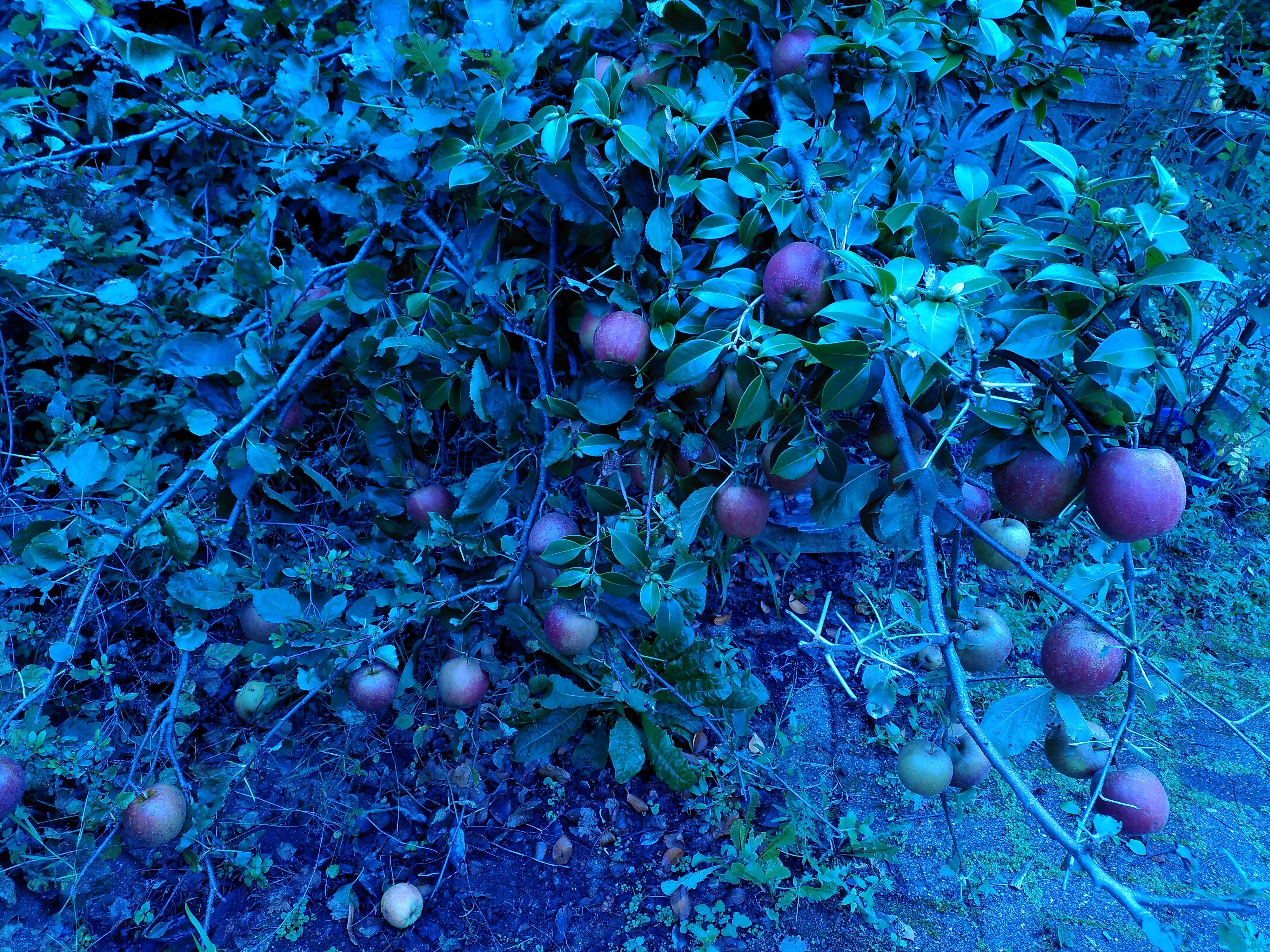
It was here when we moved in, and I don’t know its variety, but it produces well-flavoured cookers. In ten years, we’ve had a few crops from it, but this year is exceptional. I had read that the long hot summer had resulted in bumper crops of fruits like apples – and disappointing harvests for some staple grains and vegetables such as broccoli and cauliflower.
As a gardener (or farmer) you learn to celebrate the years of plenty. Even if the recent summer was an outcome of more extreme weather caused by climate change, it makes sense to enjoy a bumper harvest.
So, what to do with over twenty kilos of apples? I’ve passed some on to friends and neighbours, and I’ll cook a few batches (stewed gently in their own juices) and freeze them in separate tubs, for crumbles throughout the winter. Other favourites will make a welcome return:
A spiced onion/apple filling to form the centre of our Christmas sausage roulade. We’re mostly vegetarian, so use Sosmix for the sausage element, but I’m sure it would work equally well with a meat mix. (Saute 2 finely sliced onions; add finely chopped garlic and diced apple once the onions are golden. Stir in whatever herbs are flavouring your gravy - sage, rosemary and thyme are our usual. Saute until the apples are soft. Season with salt and pepper, a couple of generous pinches of cinnamon/allspice/mixed spice. Place a sheet of kitchen foil on a baking tray. Pop your sausage mix onto the foil and roll out to a rectangle 1.5cm thick. Spread the spiced apple in a line, about a third of the way in. Roll over the remaining sausage mix. You should be left with a foil-wrapped cylinder. Bake at 180/160 fan for 25 mins. Unwrap the foil and pop back into the oven, uncovered, for 10 minutes. We usually prepare the roulade the second week of December and tuck it into the freezer. Defrost overnight before baking.)
Ottolenghi’s apple olive oil cake
A big batch of chutney, using the final courgettes and green tomatoes from my plants
What else? Let’s go beyond the familiar, welcome though they all will be …
Inspiration/serendipity
In both writing and baking, you can find yourself heading in unexpected directions. A random phrase, or something you notice ...
Tim Dowling’s Guardian article reporting on forgotten British puddings made me laugh. I disagree with his judgement on rice pudding - I love either a traditional oven-baked rice pud, its solid top fragrant with nutmeg, or a cardamom-spiced Indian version, sticky with coconut milk. Even though I can’t think of rice pudding without remembering AA Milne’s delightful poem (and he obviously shared Tim Dowling’s distaste):
What is the matter with Mary Jane?
She’s crying with all her might and main,
And she won’t eat her dinner - rice pudding again -
What is the matter with Mary Jane?
What is the matter with Mary Jane?
I’ve promised her dolls and a daisy-chain,
And a book about animals - all in vain -
What is the matter with Mary Jane?
….
What is the matter with Mary Jane?
She’s perfectly well and she hasn’t a pain,
And it’s lovely rice pudding for dinner again!
What is the matter with Mary Jane?
Back to Tim Dowling’s investigation of old-time British puds: I was intrigued by the idea of Malvern pudding: apples, custard and a crème brulee top? Sounds great!
I found the Hairy Bikers recipe he mentioned, and studied it. Looked straightforward enough …
The individual voice
There’s nothing wrong with following a recipe to the letter – especially when creating something for the first time. If I’m writing haiku, I still stick strictly to the classic syllable count, though I love reading poems that exemplify its soul more than its metre.
Sometimes, though, the basic recipe doesn’t quite satisfy our creative urge: it’s missing something important to us.
My urge to make Malvern pudding wasn’t an abstract thought of “I’ll try that sometime” - I wanted to serve it to vegan friends who were coming for dinner.
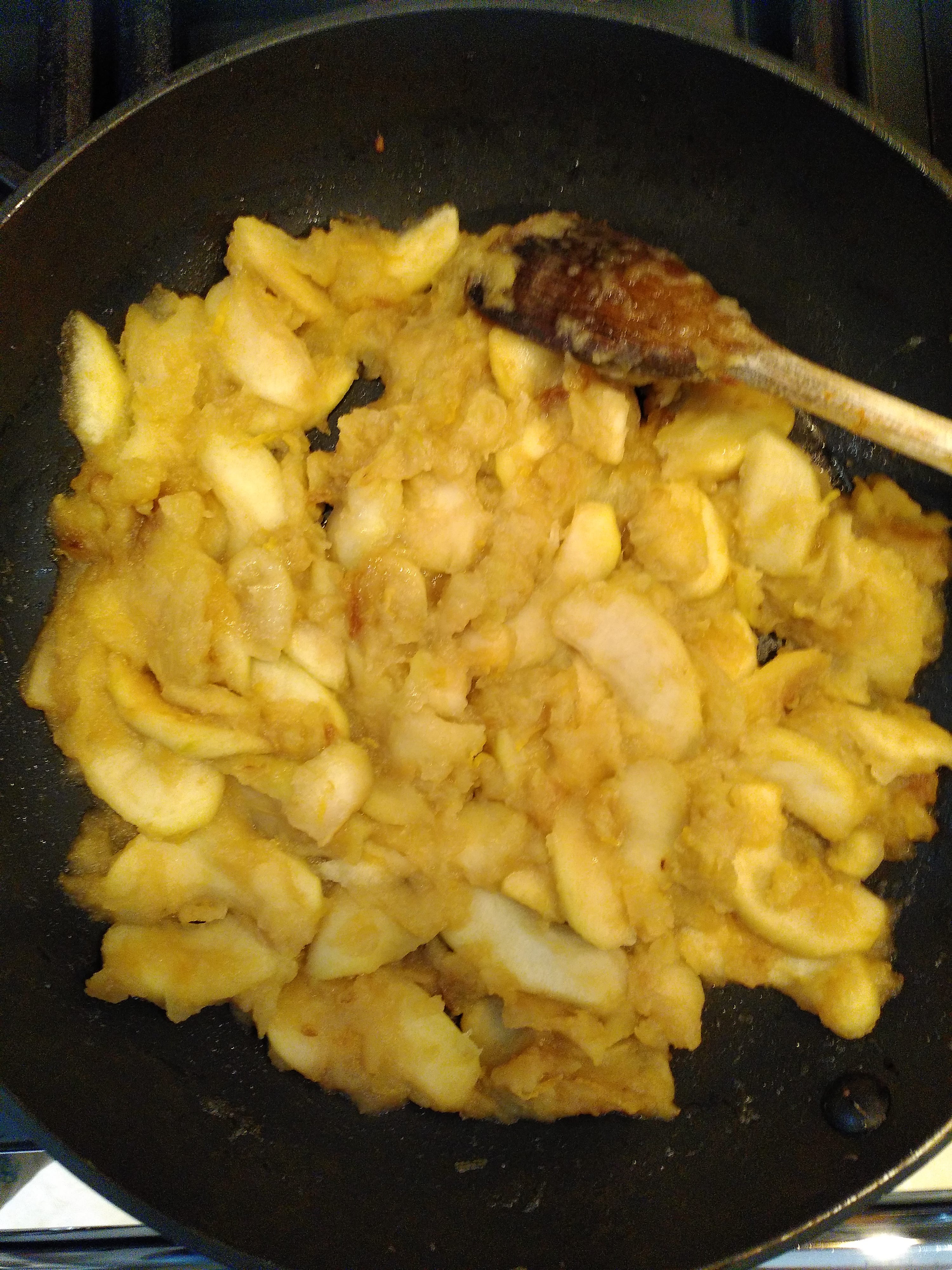
The first element of Malvern pudding involves preparing a kilo of apples and sauteeing them gently in butter. In the UK, I’m perfectly happy with Flora’s vegan butter substitute.
I’ve made a vegan, gluten-free brandy sauce at Christmas, but wasn’t happy about trying to make a vegan crème patissiere without guidance ...
Prompt > serendipity > individual voice > the next step often involves settling in to some serious research:
The research
I trawled the internet for recipes for a vegan crème pat. I didn’t fancy most of the suggested egg substitutes. I remembered seeing something on Nicola Lamb’s recipe index and tracked it down: Brian Levy’s careful experimentation produced something that looked tasty.
The method and ingredients were unfamiliar – making your own cashew milk by soaking and blitzing cashews in a blender? OK, I’ll give it a try. Adding carrot for colour – won’t it make the custard taste carroty? I trust his judgement, so I’ll give it a go.
Dear reader – it was delicious! Although I was apprehensive about such an unfamiliar process, it was, in fact, quick and easy to make.
Editing and enhancing
In writing, I know that getting a first draft done is only one step in a long process. To produce something polished will generally involve many rounds of revision.
Emma Darwin has an excellent summary of various perspectives on editing. I’m slowly getting back to editing my novel, and have book-marked her post for reference.
Recipe development also involves trying your first idea, then tweaking and refining ingredients and processes until you achieve a result with which you’re satisfied. One of the reasons I rate Nicola and Brian’s sites so highly is that they document their experimentations.
The edits I’ll make, next time I make Malvern pudding:
I’ll cook the apples a little longer, and stir them more frequently, to ensure they’re cooked more evenly.
I’ll use some of my fig leaf-infused olive oil for the vegan crème pat.
I’ll make 1.5 times Brian Levy’s crème pat recipe. I made double the quantity, but had some left over when I assembled the pudding. (Not a problem - it’s sitting in the freezer as inspiration for another culinary adventure.)
I’ll do the crème brulee topping with a blowtorch, rather than putting the dish under the grill. Although it tasted wonderful, it was scorched in places as my grill is very uneven.
I hope I’ve inspired you to follow your creativity down some unfamiliar paths …
That was a really involving read! And was itself a very creatively put-together muse...